
CAR T-Cell Therapy Shows Lasting Improvements in Stiff Person Syndrome, Study at CU Anschutz Finds
PR Newswire
AURORA, Colo., Oct. 21, 2026
One year after a single treatment, two-thirds of patients who needed walking aids completed a walking test without assistance
AURORA, Colo., Oct. 21, 2026 /PRNewswire/ — New research led by the University of Colorado Anschutz is offering hope to people living with stiff person syndrome (SPS), showing that a promising CAR T-cell therapy may help change the course of the disease, with patients experiencing significant improvements in mobility and overall disability that lasted at least one year after treatment.
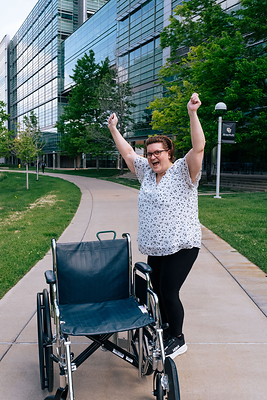
SPS is a rare, progressive autoimmune neurological disease that causes debilitating muscle stiffness, painful spasms and difficulty walking. An estimated 80% of patients eventually require walking assistance or a wheelchair, and many face a risk of permanent disability.
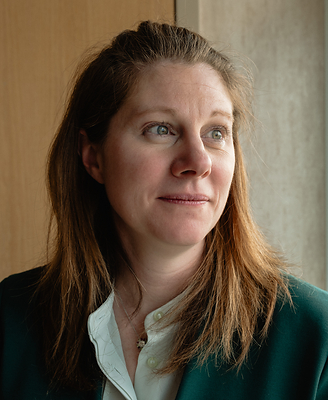
The phase 2 clinical trial, sponsored by Kyverna Therapeutics and led by principal investigator Amanda Piquet, MD, director of the autoimmune neurology program at the CU Anschutz School of Medicine, evaluated an experimental CAR T-cell therapy called mivocabtagene autoleucel (miv-cel). The one-year findings were presented today at MSToronto26, an international conference focused on advances in multiple sclerosis and related neurological conditions.
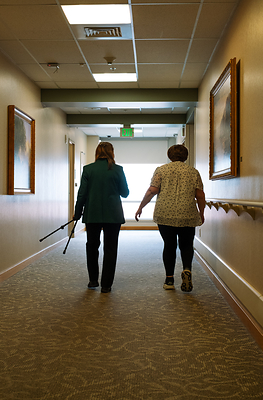
Dr. Piquet shared that one year after receiving a single treatment of the experimental therapy, patients with SPS demonstrated significant improvements in mobility, completing a 25-foot walking test in nearly half the time it took before treatment. Also, two-thirds of patients who initially needed walking aids were able to complete a walking test without assistance. Beyond walking improvements, patients also experienced lasting reductions in muscle stiffness, sensitivity to stimuli and overall disability.
“What makes these findings so exciting is that we’re seeing patients regain independence and do things they previously couldn’t do without assistance. For a progressive disease with no approved therapies, these findings represent a major step forward,” said Piquet, who is also the Céline Dion Foundation Endowed Chair in Autoimmune Neurology at CU Anschutz.
The treatment uses a patient’s own immune cells, which are modified to target cells involved in the disease. Unlike conventional treatments that often require ongoing medication to manage symptoms and suppress immune activity, this approach aims to address the underlying autoimmune processes driving SPS, potentially offering longer-lasting benefits after a single treatment.
Key Findings at One Year
All 26 patients treated in the clinical trial completed the one-year study, allowing researchers to evaluate whether the improvements seen in the first several months continued over time.
- Significant improvements in walking ability: One year after a single treatment, patients completed a 25-foot walking test in a median of 49% less time than before treatment.
- Reduced need for walking aids: Of the 12 patients who initially required a walking aid to complete the walking test, eight (67%) no longer needed assistance during the test at one year.
- Walking times comparable to healthy adults: More than one-third of patients (35%) completed the 25-foot walking test in under five seconds, a time comparable to that of typical healthy adults.
- Less dependence on ongoing immunotherapy: At one year, 24 of 26 patients (92%) remained free of treatments that suppress or modify the immune system to manage SPS.
- Benefits continued even as immune cells returned: In 65% of patients, the immune cells targeted by the treatment had begun returning by one year, yet clinical improvements were maintained. This suggests the therapy may have longer-lasting effects on the underlying autoimmune disease rather than simply providing temporary symptom relief.
Potential FDA Approval
The findings from this registrational clinical trial are helping advance miv-cel toward potential FDA approval. Kyverna, the biopharmaceutical company who developed the CAR T-cell therapy, has stated its intention to complete its rolling Biologics License Application (BLA) submission in the fourth quarter of 2026.
If approved, miv-cel could become the first FDA-approved treatment specifically for stiff person syndrome and the first CAR T-cell therapy approved for an autoimmune disease.
“CAR T-cell therapy has the potential to change how we treat autoimmune diseases, offering lasting improvements without the need for ongoing immunotherapy,” Piquet said. “We’re hopeful this could lead to the first FDA-approved treatment for stiff person syndrome and open the door to an entirely new approach to treating autoimmune diseases.”
About the University of Colorado Anschutz
The University of Colorado Anschutz is a world-class academic medical campus leading transformative advances in science, medicine, education and patient care. The campus includes the University of Colorado’s health professional schools, more than 60 centers and institutes, and two nationally ranked independent hospitals – UCHealth University of Colorado Hospital and Children’s Hospital Colorado – which see nearly three million adult and pediatric patient visits each year. Innovative, interconnected and highly collaborative, CU Anschutz delivers life-changing treatments, exceptional patient care and top-tier professional training. The campus conducts world-renowned research supported by $890 million in funding, including $762 million in sponsored awards and $128 million in philanthropic gifts for research.
Find the latest CU Anschutz news here.
|
Contact: |
Julia (Milzer) Sutton, CU Anschutz |

 View original content to download multimedia:https://www.prnewswire.com/news-releases/car-t-cell-therapy-shows-lasting-improvements-in-stiff-person-syndrome-study-at-cu-anschutz-finds-302915476.html
SOURCE University of Colorado Anschutz


