
CHARLOTTE, NC – X-Sense highlights the growing need for whole-home protection as fire behavior in modern households becomes increasingly unpredictable.
Carbon monoxide is one of the few household hazards that can build up without giving people an obvious warning. There is no smoke to see, no smell to notice, and no sound that tells a family something is wrong. By the time someone feels unwell, the situation may already be serious.
That is why carbon monoxide protection starts with early detection. A working alarm can give people a warning before they have to rely on symptoms or guesswork. It should be part of a wider home safety routine, alongside regular appliance servicing, proper ventilation, and a clear plan for what to do in an emergency.
Carbon monoxide can be produced when fuels such as gas, oil, wood, coal, or propane do not burn completely. Boilers, furnaces, fireplaces, gas stoves, water heaters, portable heaters, and vehicle exhaust can all become possible sources when equipment is faulty, poorly maintained, or used in the wrong place.
Why Carbon Monoxide Is So Dangerous
Carbon monoxide is often called the invisible threat because people cannot detect it with their senses. Unlike a gas leak, it does not have a strong smell. Unlike a fire, it does not create visible smoke.
This makes it easy for families to overlook the danger. A person may feel tired, dizzy, nauseous, confused, or develop a headache. Those symptoms can be mistaken for flu, stress, dehydration, or a long day at work.
The risk can become greater when several people in the home feel unwell at the same time. Pets may also appear unusually tired or unsettled. These signs should never be ignored, especially where fuel-burning appliances are in use.
An alarm is important because it can provide a warning even when nobody notices any physical symptoms. A carbon monoxide detector helps turn an otherwise invisible risk into an alert that people can act on.
Everyday Equipment Can Create Risks
Many households use fuel-burning appliances every day without problems. A boiler heats the home. A fireplace provides warmth. A gas stove is used for cooking. These are normal parts of daily life, but they still need proper maintenance and ventilation.
A blocked chimney, damaged flue, poorly fitted appliance, or obstructed air vent can prevent harmful gases from leaving the property safely. Vehicle exhaust is another concern. Cars should never be left running in an attached garage, even if the garage door is open.
Portable generators also require caution. They should never be used inside a house, garage, basement, shed, or enclosed area. They should be kept well away from doors, windows, and vents, as carbon monoxide can move into the home quickly.
Households should arrange servicing for fuel-burning appliances through qualified professionals and keep external vents clear of leaves, snow, nests, or other debris.
Early Detection Gives Families More Time to Respond
Carbon monoxide exposure can become especially dangerous when people are asleep. A family may not notice early symptoms during the night, and children or older adults may be more vulnerable if they are unable to respond quickly.
This is why placement matters. Carbon monoxide alarms should be installed according to local regulations and manufacturer instructions, with particular attention to sleeping areas and rooms near fuel-burning appliances.
A larger property may need more than one device. Homes with several floors, basements, garages, converted lofts, or separate sleeping areas should be reviewed carefully. The aim is to make sure an alert can be heard wherever people spend time or sleep.
Regular testing also matters. An alarm with a flat battery, fault warning, or expired sensor cannot give dependable protection. Homeowners should treat test routines and low-battery alerts as essential maintenance tasks.
Voice Alerts Can Make Warnings Easier to Understand
A loud alarm is designed to get attention, but a voice alert can provide additional clarity during a stressful moment. This may be helpful for children, older adults, overnight guests, or anyone who may be unsure what an alarm means.
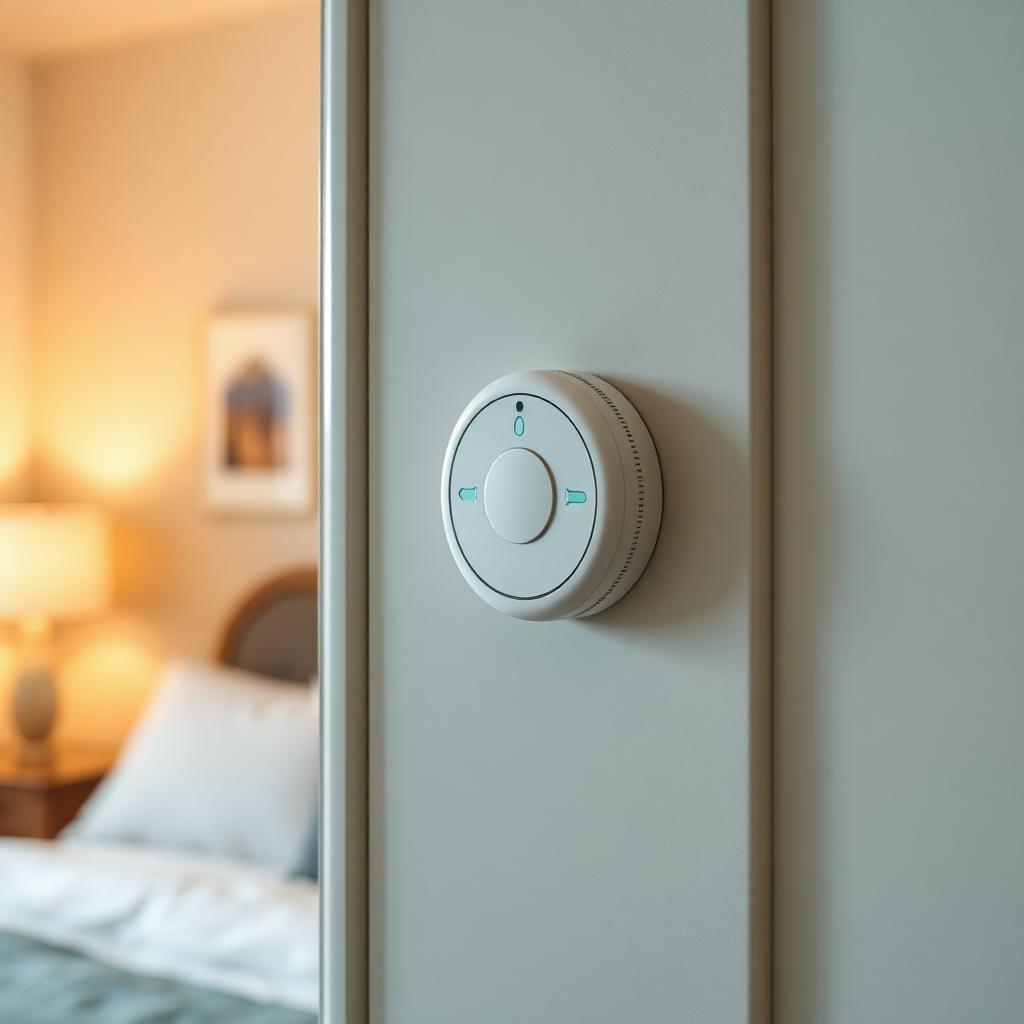
The X-SENSE XC0M-iR smart carbon monoxide alarm with voice alerts is designed to provide carbon monoxide monitoring alongside temperature and humidity information. It uses an electrochemical CO sensor and includes app control through a 2.4 GHz Wi-Fi connection.
According to X-Sense product information, the XC0M-iR includes a voice alert, a silence function, night mode, and temperature and humidity history through the app. It uses a replaceable CR123A lithium battery and has a stated maximum service life of 10 years.
For homeowners, these features can make everyday monitoring more straightforward. A low-battery reminder, app access, and clear alerts can help households stay aware of the device’s status instead of waiting until a problem becomes urgent.
Smart features should support, not replace, good safety habits. The alarm still needs proper placement, regular testing, and timely battery replacement.
What to Do When a Carbon Monoxide Alarm Sounds
A carbon monoxide alarm should always be taken seriously. Everyone should move outside into fresh air as soon as it is safe to do so. Do not stay inside to investigate the source.
Once outside, contact emergency services, the fire department, or another appropriate local authority for advice. The property should not be re-entered until qualified professionals confirm that it is safe.
If an appliance is suspected, it should not be used again until it has been inspected and repaired by a qualified technician.
Families should also discuss an emergency plan in advance. Everyone should know where to meet outside, who will help children or older relatives, and how to make sure all household members are accounted for.
A Simple Step That Can Make a Major Difference
Carbon monoxide protection does not begin when an alarm sounds. It begins with prevention, regular maintenance, safe appliance use, and early detection.
A carbon monoxide alarm may be a small device, but it can provide an important warning at the moment a family needs it most. When combined with sensible maintenance and a clear response plan, it helps create a safer home environment.
About X-SENSE Innovations
Founded in 2013, X-SENSE Innovations operates from its registered U.S. address at X-SENSE USA LLC, 1209 Orange St, Wilmington, DE 19801, and specializes in developing certified home fire and safety solutions for both residential and commercial environments. The company focuses on producing professional and user-friendly safety devices, including domestic fire alarms such as smoke, carbon monoxide, and heat alarms, as well as smart home safety systems covering fire protection, intrusion detection, and indoor environment monitoring.
More information is available at www.x-sense.com.
Official company social media profiles: Facebook and Instagram.
Media Detail
Contact Person Name: Farrukh
Company Name: X-Sense
Email: service@x-sense.com
Website: https://www.x-sense.com/
Phone: +1 (833) 952-1880


